Creality Laser Solutions
Discover how Creality laser technology transforms industries from custom crafts to manufacturing. Real applications, real results.
Discover how Creality laser technology transforms industries from custom crafts to manufacturing. Real applications, real results.
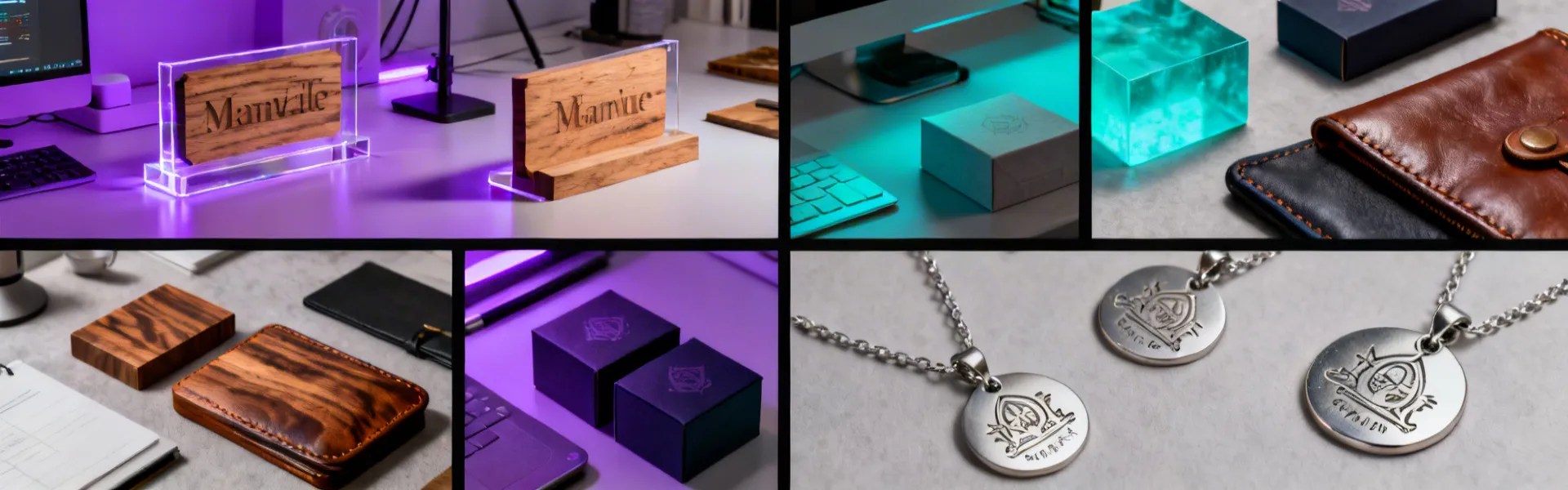
Creality laser systems serve professionals across a wide spectrum of industries and creative disciplines.
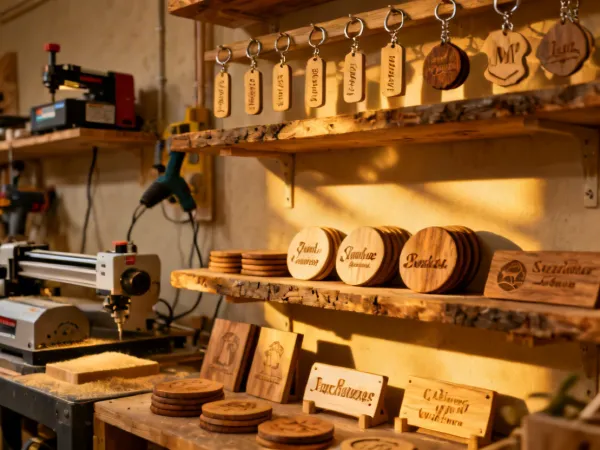
The personalized products market is projected to reach $38.6 billion by 2027, growing at a 7.5% CAGR according to Grand View Research (Report ID: GVR-4-68039-954-5, published June 2023). Creality laser engravers enable small businesses to enter this market with relatively low capital investment. As a practical example, one Etsy seller operating a Falcon 2 22W documented their workflow: producing 60-80 custom wooden ornaments per 8-hour day at an average selling price of $15-25 each, with material costs under $1.50 per unit. Setup time between different designs averages 2-3 minutes using saved presets in Creality Print software.
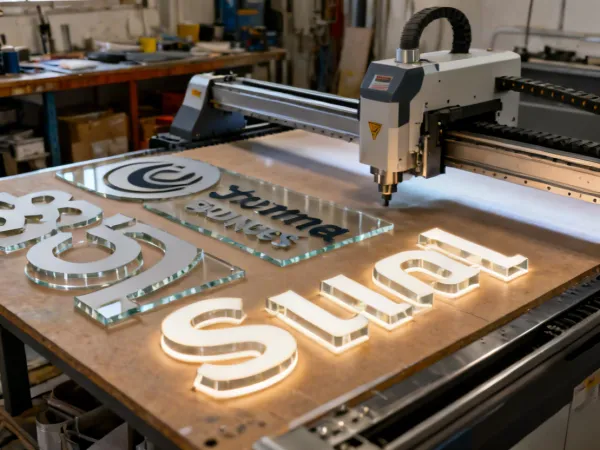
For storefront signs and tradeshow displays, laser cutting delivers clean edges and intricate detail that CNC routers struggle to match below 10mm feature size. The Falcon 2 22W cuts 6mm colored acrylic in a single pass at approximately 3mm/sec, and 10mm acrylic in 2-3 passes. Important distinction: diode lasers work with colored and opaque acrylic only; clear/transparent acrylic requires a CO2 laser due to wavelength absorption characteristics. For sign shops working primarily with wood and colored acrylic, a Falcon 2 can produce professional-quality results at a fraction of the cost of a dedicated sign-making laser. Typical ROI for a small sign shop running 20+ hours per week: 2-4 months based on customer-reported figures.
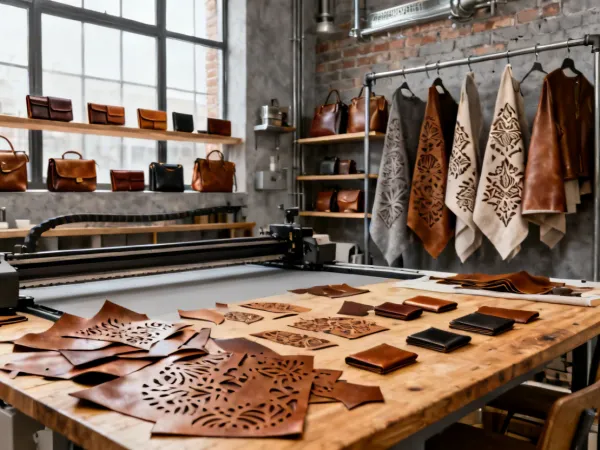
Leather artisans and small fashion brands use Creality lasers for precision cutting and surface engraving that would take hours by hand. The 445nm diode laser produces clean, sealed edges on leather when properly calibrated — typically power at 60-80%, speed at 600-1000mm/min for 1-1.5mm vegetable-tanned hides. One trade-off to note: diode lasers can discolor light-colored leathers more than CO2 lasers at 10,600nm wavelength, so darker leathers and pre-dyed materials yield the cleanest results. Creality Print includes presets for vegetable-tanned, chrome-tanned, and synthetic leathers tested at our application lab, reducing trial-and-error material waste that typically costs new laser users 10-20% of their first material purchases.
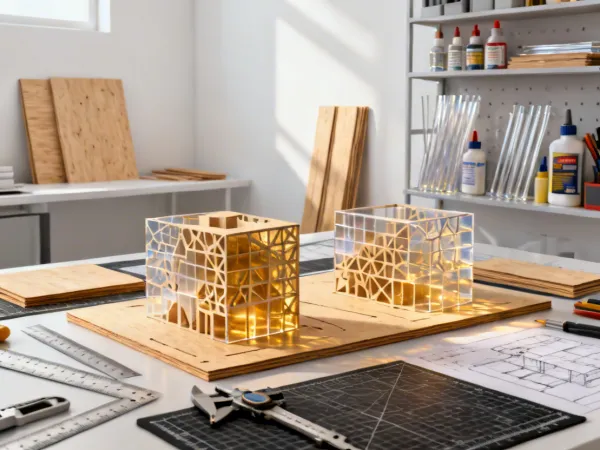
Universities, makerspaces, and design studios rely on Creality lasers for teaching and prototyping. The Falcon Pro with its integrated enclosure and air filtration meets classroom safety requirements while delivering production-grade results. Architecture students build precise scale models, engineering teams test form factors, and art students explore new media — all on the same machine.
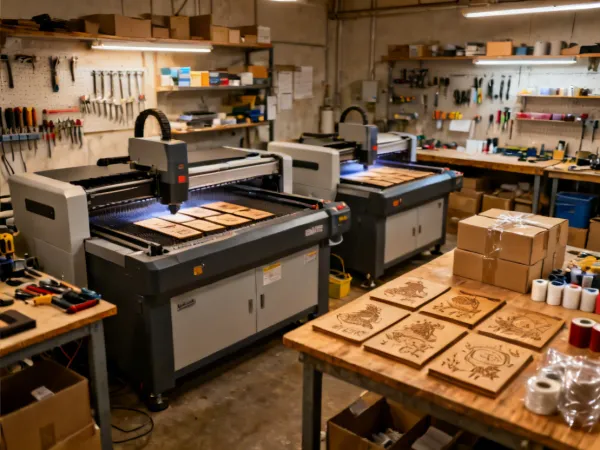
For businesses producing 10 to 10,000 units per run, dedicated CNC equipment ($20,000-$100,000+) is often too costly and outsourcing introduces 2-4 week lead times. Creality laser systems fill this mid-volume gap: design changeover takes under 5 minutes (no physical tooling), and batch consistency stays within measurable tolerance across hundreds of units. A practical cost comparison: five Falcon 2 22W units ($4,000-$5,000 total investment) running in parallel can match the throughput of a single $25,000 industrial CO2 laser for many wood and leather applications, though the industrial machine will outperform on cut speed and continuous duty cycle. Total cost of ownership typically pays back within 2-6 months for shops running 20+ hours per week, depending on product margins.
Tell us about your application and our team will recommend the right Creality laser system, materials, and workflow for your specific needs.
Talk to a Laser Expert